

close
Choose Your Site
Global
Social Media
Views: 0 Author: Site Editor Publish Time: 2026-09-08 Origin: Site


Insulating irregular cavities, curved surfaces, and continuous spans presents a distinct engineering challenge on the job site. Rigid materials frequently fail to maintain an unbroken thermal or acoustic envelope across these complex geometries. When you force stiff panels into bowed framing or radius walls, you create vulnerable seams and air gaps. You have to balance strict fire codes and acoustic attenuation requirements without escalating labor costs or compromising the installation's integrity. Flexible Rock Wool Roll provides a highly effective, field-ready solution. It bridges the gap between standard fiberglass batts and rigid mineral wool panels, offering a specific material format designed for adaptability. Its physical properties dictate its ideal use cases, allowing crews to wrap complex structures seamlessly. This format ensures continuous coverage while meeting stringent safety standards. We will evaluate how this flexibility translates to specific architectural and industrial applications, detailing exactly where to specify rolls over boards to maximize performance.
Form Factor Advantage: Flexible rock wool rolls provide continuous, gap-free coverage for curved structures and irregular framing, minimizing thermal bridging compared to rigid boards.
Acoustic Performance: Highly effective at absorbing both airborne and impact noise across a broad frequency spectrum, with specific thicknesses dictating low-frequency performance (e.g., 4-inch rolls absorbing down to 125Hz).
Fire & Moisture Resilience: Naturally non-combustible and hydrophobic, making it a critical component for fire-rated assemblies and high-humidity environments (basements, bathrooms).
Sustainability & Efficiency: Contributes to green building standards by reducing overall building CO2 emissions, saving energy, and minimizing job site waste.
Specification Reality: While superior in flexibility and continuous coverage, rolls lack the compressive strength of a rigid fireproof mineral wool panel, requiring careful selection based on load-bearing requirements.
Choosing the correct insulation format dictates the success of your building envelope. You must define clear success criteria before specification. These criteria include installation speed, structural geometry, and barrier continuity. Rigid panels excel in flat, load-bearing scenarios. However, they struggle when applied to complex architectural features or standard wood framing that has warped over time. You need a material that adapts to the substrate. Forcing rigid materials into irregular spaces leads to fractures. Fractures compromise both thermal resistance and acoustic dampening. Flexible rolls eliminate this specific failure point entirely.
Contrast the pliability of rolls with the structural rigidity of a rock wool board. A board maintains its shape under pressure. This makes it ideal for exterior continuous insulation under heavy cladding where it must resist compression from mechanical fasteners and furring strips. Conversely, rolls conform easily to uneven substrates. They wrap around structural columns and navigate complex framing layouts. Installers can manipulate the material without snapping it. You do not need precision cutting for every minor curve or bowed stud. This adaptability drastically reduces on-site labor hours and minimizes material waste from off-cuts.
Continuous coverage directly impacts thermal bridging. Every seam in an insulation layer represents a potential weak point. Air leakage often occurs where two rigid panels meet, especially if the framing is out of plumb. Rolling out long, continuous lengths reduces the total number of seams in an assembly. Fewer seams mean a lower risk of thermal bridging. The pliable nature of the roll allows it to friction-fit tightly against studs. This creates a monolithic barrier against heat transfer. Pieced-together rigid panels require extensive taping and sealing to achieve similar airtightness. Flexible rolls naturally fill the voids, ensuring consistent performance across the entire span.
Site Condition | Flexible Roll Performance | Rigid Board Performance |
|---|---|---|
Bowed or Twisted Studs | Expands to fill irregular gaps naturally. | Leaves air gaps; requires spray foam sealing. |
Radius Walls / Curves | Bends seamlessly along the arc. | Snaps if bent; requires kerf cutting. |
Continuous Long Spans | Unrolls with zero horizontal seams. | Creates multiple horizontal and vertical seams. |
Heavy Surface Loads | Compresses and loses R-value. | Maintains thickness and structural integrity. |
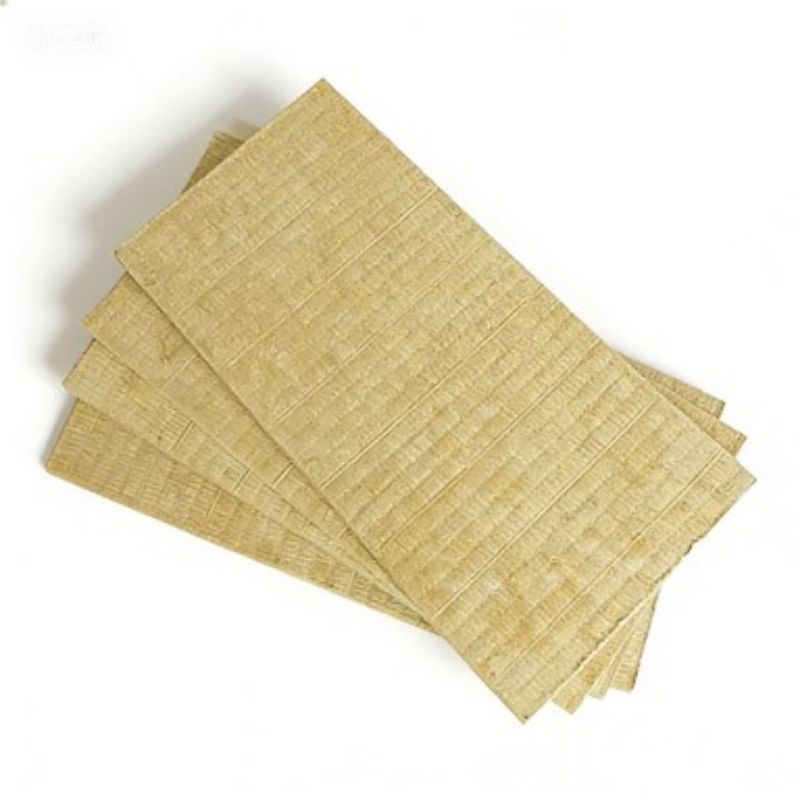
The physical composition of stone wool dictates its field performance. Understanding these properties helps you match the material to the application. We must examine acoustics, fire resistance, moisture handling, and sustainability to make informed specification decisions.
Noise control requires mass and structural complexity. The density of rock wool insulation provides the necessary mass to block sound transmission. Its multi-directional fiber structure traps sound waves effectively. Sound energy enters the fibrous matrix and converts into microscopic heat energy through friction. This process reduces both airborne noise and impact vibrations. Airborne noise includes voices, media systems, and traffic. Impact noise includes footsteps, door slams, and HVAC mechanical vibrations transferring through the framing.
Thickness directly correlates with frequency absorption capabilities. You must specify the correct thickness for your target noise profile. Realistic sound absorption data guides this decision on the job site:
A 2-inch thickness effectively absorbs mid-to-high frequencies down to 500Hz. This suits standard interior partition walls separating offices or bedrooms.
A 3-inch thickness provides robust general soundproofing. It handles standard residential and commercial noise transfer, significantly boosting the STC rating of a standard 2x4 wall.
A 4-inch thickness is required to capture low-frequency impact noise down to 125Hz. Specify this for home theaters, industrial equipment rooms, or separating floors in multi-family housing.
Building codes demand strict adherence to fire safety standards. Stone wool is naturally non-combustible. It does not require chemical flame retardants to meet code. The manufacturing process involves spinning molten basalt rock and steel slag at extreme temperatures. Consequently, the finished material boasts a melting point typically exceeding 1,000°C (1,832°F). This high thermal tolerance makes it a critical component in fire-rated wall and floor assemblies.
In the event of a fire, the insulation acts as a physical barrier. It delays the spread of flames between rooms or floors. This delay provides occupants with crucial evacuation time and gives first responders a wider window to control the blaze. Furthermore, it protects the structural integrity of the wood or steel framing. Unlike petroleum-based foams or standard fiberglass, stone wool does not generate toxic smoke when exposed to extreme heat. Reducing smoke generation significantly improves life safety outcomes during commercial and residential fires.
Moisture management dictates the longevity of a building envelope. Stone wool exhibits unique moisture-handling properties that outperform many traditional insulations. The material is inherently hydrophobic. It repels liquid water upon contact. Water beads up and rolls off the surface rather than soaking into the fibers. This prevents the insulation from sagging, clumping, or losing its R-value when exposed to incidental leaks or wind-driven rain during construction.
Simultaneously, the material remains highly vapor permeable. It allows water vapor to pass through the cavity freely. This breathability prevents moisture from becoming trapped within the wall assembly. Trapped moisture leads to mold growth, degraded indoor air quality, and structural wood rot. These properties make flexible rolls ideal for humid environments. You can confidently specify them for basements, bathrooms, and exterior wall cavities where condensation risks are high, provided the assembly includes the correct vapor retarder for the climate zone.
Modern construction prioritizes environmental impact and resource conservation. Stone wool contributes heavily to green building certifications like LEED. The primary raw material is abundant basalt rock. The manufacturing process utilizes a high percentage of recycled slag from the steel industry, diverting industrial waste from landfills. Over its lifespan, the insulation significantly reduces building CO2 emissions by lowering the energy required for heating and cooling.
The lifecycle benefits extend beyond energy savings. The production of stone wool contributes to long-term water conservation efforts compared to water-intensive manufacturing processes. On the job site, the roll format offers distinct advantages for waste management. Installers cut exactly what they need from a continuous length. This precision helps reduce off-cut waste compared to rigid panels, which often leave unusable scrap pieces. Less waste translates to lower disposal costs and a smaller environmental footprint per project.
Theoretical properties only matter when applied to real-world scenarios. Flexible rolls excel in specific architectural and industrial contexts where rigid materials fail. We will examine where this material format provides the highest return on investment and structural performance.
Modern architecture frequently incorporates non-linear designs. Quonset huts, domed ceilings, barrel vaults, and curved radius walls present unique insulation challenges. Rigid boards cannot bend to accommodate these shapes without breaking. Cutting boards into small strips to form a curve is highly inefficient. It creates hundreds of seams, massive labor overruns, and severe thermal bridges.
Flexible rolls solve this problem entirely. Installers simply unroll the material along the curved substrate. The insulation conforms naturally to the radius of the structure. It maintains a consistent thickness and R-value across the entire surface. This continuous coverage is vital for custom architectural framing. It ensures the building envelope performs as designed, regardless of geometric complexity. Crews can secure the rolls with standard insulation supports or friction-fit them between curved steel tracks.
Interior comfort relies heavily on acoustic separation. You must isolate different zones within a building to ensure privacy and productivity. Flexible rolls are the standard choice for soundproofing interior walls. Installers friction-fit the material between wood or steel studs. The pliable edges compress slightly and expand to fill the cavity completely. This tight fit prevents sound flanking around the edges of the insulation, a common issue with poorly cut rigid boards.
Inter-joist flooring systems benefit similarly. Rolling the insulation between floor joists mitigates impact noise from the floor above. It dampens the vibration of footsteps before they reach the ceiling below. It also absorbs airborne noise traveling between levels. The continuous nature of the roll ensures no gaps are left behind plumbing runs, electrical conduits, or cross-bracing within the floor system.
Mechanical systems require robust thermal and acoustic management. Large-diameter pipes, HVAC ducts, and industrial vessels radiate heat and generate noise. Rigid panels cannot wrap around cylindrical objects effectively. You need a material that conforms to the outer diameter of the equipment without leaving air gaps.
A flexible rock wool roll is the ideal solution for these applications. You wrap the insulation tightly around the duct or pipe and secure it with banding or wire. This thermal retention improves the efficiency of the HVAC system. It prevents heat loss in winter and heat gain in summer. Furthermore, the insulation provides vital condensation control. It keeps the surface temperature of the duct above the dew point. This prevents moisture from forming and dripping onto ceiling tiles, drywall, or sensitive equipment below.
Attics represent a major source of heat loss in residential and commercial buildings. Creating an uninterrupted thermal blanket is essential for energy efficiency. Rolling insulation over ceiling joists achieves this goal efficiently. The continuous length minimizes seams across the attic floor, creating a more effective thermal barrier than individual batts.
Installers can easily layer the rolls perpendicular to the joists. This cross-hatching method covers the wood framing entirely. It eliminates the thermal bridging caused by exposed joists, which otherwise conduct heat directly into the attic space. The material's flexibility allows it to drape over irregular ceiling profiles, navigate around truss webs, and fit snugly against eave baffles. This application significantly improves overall building energy efficiency and interior comfort.
No single insulation format suits every application. You must evaluate the trade-offs between flexibility and structural integrity. Understanding these limitations prevents costly specification errors and ensures the assembly performs as intended over its lifespan.
The primary limitation of flexible rolls is their lack of compressive strength. They cannot support heavy loads. If you place weight on a roll, it compresses. Compression destroys the microscopic air pockets within the fiber matrix. This drastically reduces its R-value and acoustic performance. Therefore, rolls are strictly for non-load-bearing scenarios.
In load-bearing applications, you must specify a dense fireproof mineral wool panel. These panels support the weight of concrete slabs, heavy roofing membranes, or exterior cladding systems. They maintain their thickness and thermal resistance under pressure. You use panels for exterior continuous insulation under brick or metal cladding. You use rolls for the empty cavities between the framing members.
Labor constitutes a significant portion of any construction budget. The format of the insulation directly impacts installation speed. Unrolling and friction-fitting flexible insulation is a rapid process. Installers can cover large areas quickly. The material easily cuts with a serrated knife to fit around electrical boxes, plumbing pipes, and blocking.
Conversely, rigid boards require precise measurement and cutting. Installers must ensure tight joints between panels to prevent thermal bridging. They often need mechanical fasteners, washers, or adhesives to secure the boards in place. This meticulous process consumes more labor hours. When evaluating costs, you must factor in the speed of installation. Rolls offer a distinct advantage in labor efficiency for cavity applications.
Assessing upfront material costs against long-term savings is crucial for project budgeting. Flexible rolls generally cost less per square foot than high-density rigid boards. They also require fewer labor hours to install in standard framing. This makes them highly cost-effective for partition walls, attics, and inter-joist floors.
However, you must consider the performance requirements of the specific assembly. If an application demands high compressive strength, the cheaper roll will fail. The cost of replacing failed insulation far exceeds the initial premium for rigid boards. Use the following framework to guide your decision on the job site:
Feature | Flexible Rock Wool Roll | Rigid Rock Wool Board |
|---|---|---|
Compressive Strength | Low (Compresses under load) | High (Supports cladding/roofing) |
Flexibility | High (Conforms to curves) | Low (Rigid, snaps if bent) |
Installation Speed (Cavities) | Fast (Friction-fit, unrolled) | Slow (Requires precise cutting) |
Thermal Bridging Risk | Low (Continuous lengths) | Moderate (Requires sealed seams) |
Ideal Application | Attics, partition walls, ductwork | Exterior cladding, flat roofs, slabs |
Proper installation ensures the material performs as specified. You must address handling procedures and integration requirements before the crew begins work. Ignoring these realities leads to degraded performance, failed inspections, and safety hazards.
Handling mineral wool generates airborne dust and loose fibers. These fibers cause temporary mechanical irritation to the skin, eyes, and respiratory tract. You must enforce strict personal protective equipment (PPE) protocols on the job site. This is a non-negotiable safety requirement to maintain crew health and OSHA compliance.
Workers must wear NIOSH-approved N95 respirators or half-mask respirators to prevent fiber inhalation.
Safety goggles are required to prevent eye irritation, especially during overhead installation in ceilings or attics.
Installers must wear long-sleeved shirts, long pants, and heavy-duty work gloves to prevent skin contact.
Ensure adequate ventilation in enclosed spaces during the installation process to clear airborne dust.
Use a specialized serrated insulation knife rather than tearing the material by hand to minimize fiber release.
The thermal and acoustic properties of stone wool rely entirely on trapped air. You must never compress the roll to fit into an undersized cavity. If a cavity is 3.5 inches deep, do not force a 5.5-inch roll into it. Compression increases the density but reduces the overall R-value of the assembly. It also alters the acoustic absorption profile negatively, allowing certain sound frequencies to pass through.
Installers must cut the material accurately. Cut the roll approximately half an inch wider than the cavity. This allows for a snug friction fit without causing the material to bulge or compress excessively. When working around electrical wires, split the insulation so half goes behind the wire and half goes in front. Do not simply smash the insulation behind the wire.
Stone wool is highly vapor permeable. It does not act as a vapor barrier. You must clarify when a separate vapor retarder is necessary. This requirement depends entirely on your local climate zone and building codes. Improper vapor barrier placement causes interstitial condensation, leading to hidden rot and mold.
In cold climates (Zones 5-8), you typically install a vapor barrier on the warm side (interior) of the insulation. This prevents indoor moisture from entering the wall cavity and condensing on the cold exterior sheathing. In hot, humid climates (Zones 1-3), the vapor drive reverses. You may require the vapor barrier on the exterior side. Always consult local building codes and a qualified building envelope consultant to determine proper vapor barrier integration for your specific project.
Flexible rock wool roll stands as the optimal choice for non-load-bearing applications. It provides continuous coverage, superior acoustic dampening, and high fire resistance. Its ability to conform to irregular and curved geometries eliminates the thermal bridging associated with rigid panels. You achieve a tighter, safer, and quieter building envelope while controlling labor costs and minimizing material waste.
Your shortlisting logic should remain straightforward. Choose flexible rolls for attics, interior partition walls, inter-joist flooring, and HVAC duct wrapping. Reserve rigid boards and panels for exterior continuous insulation under heavy cladding or load-bearing roof decks. Matching the physical format to the structural requirement guarantees long-term performance and code compliance.
Take the following actionable steps to advance your project:
Review your local building codes to verify required R-values, vapor retarder placement, and fire ratings for your specific assembly.
Calculate the necessary STC and IIC ratings for your acoustic partition walls to determine the exact roll thickness needed.
Assess your framing geometry to quantify the linear footage of curved or irregular cavities requiring flexible insulation.
Request technical data sheets and physical samples from your supplier to verify material compatibility with your vapor barrier strategy.
A: The primary difference lies in density, flexibility, and compressive strength. Rolls are pliable, lower in density, and designed to friction-fit into cavities or wrap around curves. Boards are highly dense, rigid, and engineered to support heavy loads like exterior cladding or roofing membranes without compressing.
A: Thickness dictates the frequency absorption range. A 2-inch roll effectively absorbs mid-to-high frequencies down to 500Hz. A 3-inch roll provides excellent general-purpose soundproofing. A 4-inch roll is necessary to capture low-frequency impact noise down to 125Hz, making it ideal for heavy mechanical or theater rooms.
A: Yes. The material is inherently hydrophobic, meaning it repels liquid water. It is also highly vapor permeable and inorganic, which prevents it from trapping moisture or supporting mold growth. However, proper wall assembly design and appropriate vapor barriers are still required based on local climate codes.
A: Yes, in most exterior applications. Because stone wool is highly vapor permeable, it allows moisture to pass through. Depending on your climate zone and local building codes, you will likely need to install a separate vapor retarder on the appropriate side of the wall assembly to prevent condensation.
A: Rolls provide excellent general cavity fire resistance, delaying flame spread and reducing smoke. However, for structural fire-stopping requirements—such as sealing penetration joints in fire-rated floors or walls—a dense, rigid fireproof panel is mandatory to maintain the structural integrity of the fire barrier.
A: Absolutely. Its flexibility allows it to wrap tightly around cylindrical ducts and industrial pipes. This provides excellent thermal retention, improves HVAC efficiency, and prevents surface condensation from forming on the ductwork in unconditioned spaces.
A: Yes. It is manufactured from abundant natural basalt rock and recycled steel slag. Over its lifecycle, it significantly reduces building CO2 emissions and energy consumption. Furthermore, the roll format allows installers to cut exact lengths, minimizing job site off-cut waste compared to rigid panels.


