

close
Choose Your Site
Global
Social Media
Views: 0 Author: Site Editor Publish Time: 2026-10-10 Origin: Site


Poor insulation is a leading cause of massive energy loss in modern commercial buildings. When mechanical engineers and contractors select the wrong materials, HVAC systems inevitably fail to perform at peak efficiency. This oversight frequently leads to chronic condensation issues, skyrocketing utility bills, and disruptive mechanical noise echoing through quiet office spaces. To mitigate these severe risks, climate control professionals consistently turn to glass wool insulation as a highly trusted, versatile, and cost-effective solution.
In this comprehensive technical guide, we will explore exactly where and how this essential material is deployed within HVAC architecture. Proper specification maximizes system performance, ensures strict code compliance, and guarantees long-term operational savings.
Versatile Applications: This fibrous matrix is indispensable for insulating expansive HVAC ductwork, chilled and hot water piping networks, and large-scale Air Handling Units.
Multiple Structural Forms: Depending on the specific requirements of the HVAC component, project managers can specify rigid boards, flexible rolls, or pre-formed pipe shells.
Beyond Temperature Control: It delivers exceptional acoustic dampening for critical noise reduction and boasts high fire safety ratings required by commercial building codes.
High Return on Investment: Meticulous installation significantly boosts energy conservation by maintaining consistent thermal resistance and eliminating thermal bridging across the distribution system.
To fully grasp its widespread application in commercial and industrial environments, we must examine the core properties from an engineering perspective. Manufactured primarily from recycled glass and silica sand, the raw materials are melted at extreme temperatures and spun into fine, interwoven fibers. This specific manufacturing process creates a highly resilient material tailored to meet the rigorous demands of modern climate control.
Exceptional Thermal Efficiency
The primary function of any HVAC insulation is to restrict conductive and convective heat transfer. The intricate fibrous structure creates millions of microscopic air pockets. Because stagnant air is a remarkably poor conductor of heat, these pockets effectively slow down thermal transmission. For instance, high-quality variants offer a thermal conductivity as low as 0.032 to 0.042 W/m·K. Consequently, this high thermal resistance ensures that conditioned air remains at the precise desired temperature as it travels from the mechanical plant room to the final delivery register.
Lightweight and Highly Flexible
In real-world construction scenarios, mechanical spaces and suspended ceiling plenums are often heavily congested with electrical conduits, plumbing lines, and structural supports. For contractors navigating these tight spaces, heavy and rigid materials are a logistical nightmare. The lightweight nature of this insulation makes it a preferred choice on the job site. Installers can easily maneuver and manipulate the material in elevated spaces. It conforms seamlessly to irregular duct shapes without adding excessive dead load to the structural framework of the building.
Unmatched Cost-Effectiveness
Procurement managers must constantly balance upfront capital expenditures with long-term operational savings. Compared to premium synthetic alternatives, this material offers a highly competitive initial purchase price. When factored into the lifecycle of a commercial facility, the immediate reduction in energy consumption yields a rapid financial return. This economic advantage makes it the go-to choice for large-scale construction projects requiring thousands of square feet of thermal coverage.
The overall efficiency of an HVAC system relies heavily on how well its distribution network is shielded from fluctuating ambient temperatures. To achieve maximum efficiency, the material is strategically applied across several critical zones within the system architecture.
Bare sheet metal ductwork is highly conductive. It rapidly absorbs and radiates heat. Wrapping ducts externally is a standard industry practice designed to prevent heat gain during scorching summer months and heat loss during winter. Furthermore, external application stops condensation from forming on the exterior of cold supply ducts in humid environments.
In contrast, internal duct lining serves a slightly different primary purpose. While it certainly provides thermal resistance, its main function internally is acoustic control. When applied inside the duct cavity, the fibrous texture absorbs the turbulent noise generated by rushing air and mechanical vibrations. In both scenarios, the insulation is frequently faced with an aluminum foil jacket. This jacket acts as a robust vapor retarder to block moisture intrusion.
The Air Handling Unit acts as the beating heart of the HVAC system. It houses massive fan motors, extensive cooling coils, and heavy-duty heating elements. The temperature differential between the interior of the unit and the ambient mechanical room can be extreme. To combat this, insulation is tightly packed within the double-wall metal casings of these units and their mixing plenums. This critical barrier prevents the exterior metal casing from sweating and significantly dampens the intense, low-frequency rumble generated by industrial blower fans.
Modern climate control relies on extensive piping networks to transport thermal energy via fluids. This infrastructure includes chilled water lines for air conditioning, hot water pipes for radiant heating, and complex refrigerant lines. Insulating these fluid pathways is critical to maintaining temperature stability over long distances. Without a proper thermal barrier, chilled water pipes absorb ambient building heat. This forces the central chiller to work harder, while hot water lines leak thermal energy long before reaching their intended destination.
As the global construction sector pivots aggressively toward sustainability, the HVAC insulation market is experiencing a profound transformation. Recent industry analyses highlight a surging demand for materials that contribute to green building certifications like LEED and BREEAM. Operational carbon footprints are currently facing unprecedented regulatory scrutiny. Consequently, procurement teams are prioritizing insulation solutions with high recycled content and low embodied energy.
Modern fiberglass products align perfectly with these strict environmental mandates. Frequently composed of up to 80 percent recycled post-consumer glass, they drastically lower the environmental impact of a build. This shift is driving a noticeable preference for glass-based fibrous materials over petroleum-heavy synthetic foams in large-scale commercial developments.
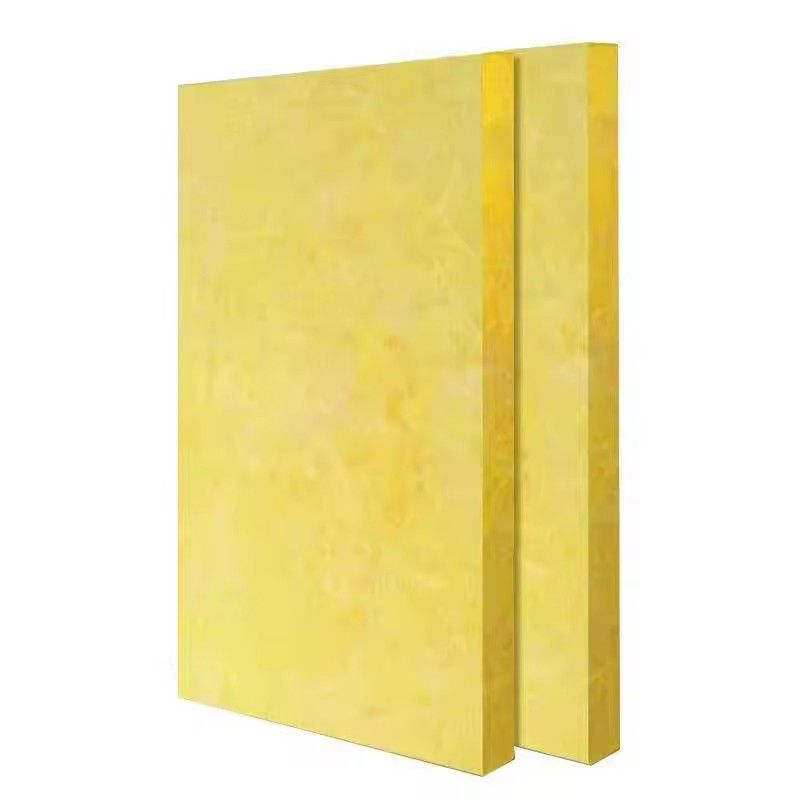
Because HVAC components come in a vast array of shapes and sizes, manufacturers engineer this insulation in several distinct forms. Selecting the correct structural variation is vital for ensuring a seamless fit, optimal thermal performance, and efficient installation.
For extensive runs of rectangular or large-diameter round sheet metal ducts, glass wool roll insulation serves as the undisputed industry standard. These continuous, highly flexible blankets allow contractors to wrap them tightly around sharp corners and curved surfaces with ease. Typical densities range from 10 to 48 kg/m³, providing an excellent balance of flexibility and thermal resistance. Manufactured with an integrated aluminum foil facing, the continuous length of the roll minimizes the number of seams required during installation. This reduction in joints directly lowers the risk of thermal bridging and unwanted air leaks.
When an application demands structural integrity, higher compressive strength, and a clean aesthetic finish, engineers typically specify a high-density glass wool board. Unlike their flexible counterparts, these boards are entirely rigid and maintain their geometric shape under pressure. Densities for these boards can reach up to 96 kg/m³. They are specifically utilized for flat surfaces such as equipment casings, rectangular mixing plenums, and the acoustic walls of mechanical plant rooms. Additionally, the increased density provides superior low-frequency sound absorption.
Cylindrical pipes require a highly specialized approach to guarantee a tight, gap-free fit. To address this, glass wool pipe insulation is manufactured as pre-formed, rigid cylindrical shells. These sections feature a density usually between 40 and 80 kg/m³. They are strategically slit along one side, allowing installers to simply snap them over fluid transport lines. They are commonly supplied with a factory-applied foil vapor barrier and a self-sealing adhesive lap. This design radically streamlines the installation process and ensures a continuous, airtight seal.
Insulation Form | Typical Density Range | Primary HVAC Application | Core Engineering Advantage |
|---|---|---|---|
Flexible Rolls | 10 - 48 kg/m³ | External ductwork wrapping | Fewer seams, conforms to curved surfaces, fast installation. |
Rigid Boards | 24 - 96 kg/m³ | AHU casings, plenums, plant rooms | High compressive strength, superior low-frequency acoustic dampening. |
Pre-formed Pipes | 40 - 80 kg/m³ | Chilled and hot water lines | Perfect cylindrical fit, integrated vapor barrier lap for zero condensation. |
While thermal resistance is often the primary driver for procurement, commercial building standards demand that materials perform multiple functions simultaneously. This insulation provides critical secondary benefits that safeguard occupant comfort and ensure life safety.
HVAC systems are inherently noisy by design. Compressors hum, fans roar, and high-velocity airflow generates sound waves that travel effortlessly through hollow sheet metal ducts. The open, fibrous matrix acts as a highly effective acoustic absorber. When sound waves penetrate the material, the acoustic energy causes the microscopic glass fibers to vibrate. This internal friction converts the sound energy into trace amounts of heat, effectively dampening the noise. This vital feature prevents mechanical echoes from infiltrating quiet zones like hospital wards, corporate boardrooms, or residential apartments.
Fire safety is an absolute non-negotiable metric in commercial construction. Because HVAC ductwork acts as a network passing through multiple fire-rated zones within a building, the insulation wrapped around it must never contribute to the spread of flames. Inherently fire-resistant due to its inorganic glass and sand composition, it typically achieves a Class A or non-combustible fire rating under international building codes like ASTM E84. It will not ignite, nor will it release toxic smoke when exposed to extreme temperatures, making it a fundamentally safe choice for public infrastructure.
The meticulous implementation of proper insulation directly impacts both the operational expenditure and the structural longevity of a facility.
An uninsulated or poorly insulated HVAC system forces mechanical equipment to run significantly longer and harder to achieve the thermostat setpoint. By completely enveloping ducts, equipment casings, and pipes, thermal loss is drastically curtailed. This efficiency directly translates to lower utility bills by easing the continuous workload on compressors, chillers, and boilers. Over a standard operational year, the energy conserved yields a measurable and substantial financial return.
Condensation is a physical inevitability when warm, humid ambient air collides with a surface that sits below the dew point temperature. Active chilled water pipes and cold AC ducts are prime targets. If these components are allowed to sweat, the resulting water droplets drip onto suspended ceiling tiles. This causes severe structural water damage and fosters hazardous mold growth. Foil-faced insulation creates an impermeable vapor barrier. By keeping the warm, moist air completely isolated from the cold metal surface, it stops condensation at its source, protecting indoor air quality and preventing aggressive system corrosion.
When engineering a comprehensive climate control system, procurement managers must evaluate various insulation materials to meet specific project budgets and environmental requirements. Understanding the empirical differences is critical for making an informed purchasing decision.
Both options belong to the broader category of mineral fiber insulation. However, their raw materials and physical properties dictate different ideal use cases. Glass fiber provides a lightweight matrix with excellent tensile strength and flexibility. Rock wool, spun from molten basalt rock and steel slag, is significantly denser and heavier.
From a thermal perspective, both offer comparable resistance. The primary divergence lies in handling and temperature tolerance. Because the glass variant is inherently lighter, it reduces the structural load on ceiling grids and is much easier to wrap around large ductwork, thereby reducing labor costs. Conversely, rock wool is typically reserved for environments demanding extreme high-temperature resistance, such as heavy industrial boilers operating above 500 degrees Celsius. For standard commercial HVAC applications, the extreme temperature tolerance of rock wool is often over-engineered, making lighter fibrous options the more economical and practical choice.
Elastomeric foam is a closed-cell, synthetic rubber insulation commonly utilized in refrigeration. It features a built-in vapor retarder, making it highly effective at preventing moisture ingress without the need for an external foil jacket. This makes foam a frequent choice for tight, outdoor refrigerant lines exposed directly to the weather.
In contrast, elastomeric foam is significantly more expensive than fibrous alternatives in both raw material costs and large-scale deployment. For extensive indoor HVAC ductwork, large-diameter chilled water pipes, and equipment casings, fibrous material dominates the market. When paired with a factory-applied aluminum foil facing, it achieves a vapor permeance rating that rivals closed-cell foams at a fraction of the cost. Furthermore, dense elastomeric foams possess poor acoustic absorption properties, whereas fibrous materials excel at dampening mechanical noise.
The thermal and acoustic performance of any insulation is heavily dependent on the quality of the installation. Even the highest-grade materials will fail to deliver their stated thermal resistance if installed haphazardly. Contractors must adhere strictly to established engineering protocols to ensure system efficiency.
The most critical aspect of insulating chilled HVAC systems is the creation of a continuous, unbroken vapor barrier. If humid air penetrates a poorly sealed seam and reaches the cold metal duct, internal condensation occurs. This leads to degraded insulation performance and potential microbial growth. Installers must meticulously seal all joints, seams, and terminations. Adjacent sections must be tightly butted together. A high-quality, UL-listed aluminum foil tape must be applied over all seams using a plastic squeegee to ensure full adhesion. Additionally, vapor barrier mastic should be applied at all termination points to seal exposed edges.
A fundamental principle of fibrous insulation is that its thermal resistance is derived from the microscopic air pockets trapped within. A frequent and highly detrimental installation error is compressing the material. This often occurs when contractors pull roll insulation too tightly around a rectangular duct, or when ductwork is squeezed into a narrow ceiling gap. When compressed, the air pockets are violently expelled. This creates a direct path for conductive heat transfer and drastically lowers the effective thermal resistance. Installers must cut the material to the precise stretch-out dimensions required, allowing it to rest at its fully recovered, factory-specified thickness.
While modern manufacturing has made these products safer and less irritating than legacy materials, the fine fibers can still cause temporary, localized irritation to the skin, eyes, and upper respiratory tract during the cutting phase. Project managers must enforce strict safety protocols on the job site. Installers should wear appropriate Personal Protective Equipment, including loose-fitting, long-sleeved clothing, heavy-duty work gloves, and safety goggles. In poorly ventilated mechanical rooms, the use of an N95 particulate respirator is highly recommended to prevent the inhalation of airborne dust, ensuring a safe and compliant working environment.
Fibrous thermal materials remain an indispensable component of modern HVAC engineering. They offer a powerful combination of thermal control, acoustic dampening, and stringent fire safety. By understanding the specific environmental demands of a project, engineers can select the perfect structural form to optimize system performance and longevity. Proper installation and meticulous attention to vapor barriers guarantee maximum energy savings over the lifespan of the building, ensuring that operational costs remain low and occupant comfort remains high.
If you are engineering a new climate control system or upgrading an existing commercial facility, selecting the precise material specifications is critical to your project's success. Explore the full range of high-performance thermal solutions at Atomsflex to find the exact boards, rolls, and pipe sections your HVAC architecture demands.
Yes, it can be utilized for outdoor HVAC ductwork, but it absolutely cannot be left exposed to the elements. Because it is a highly porous fibrous material, it will absorb rain and ambient moisture if left unprotected, which immediately destroys its thermal resistance. For outdoor applications, it must be completely encapsulated by a robust, weatherproof cladding system, such as corrugated aluminum jacketing, stainless steel cladding, or UV-resistant PVC membranes, to protect against weather and mechanical damage.
When specified correctly, installed according to strict manufacturer guidelines, and kept entirely dry, it offers exceptional longevity. It is generally expected to last for the lifetime of the HVAC system itself, which typically ranges from 15 to 30 years or more. Because it is made from inorganic materials, it does not naturally degrade, rot, or settle over time. The primary factors that prematurely reduce its lifespan are physical compression, accidental mechanical damage, or severe moisture contamination.
Absolutely. It is highly effective for insulating chilled water lines, provided it is manufactured with a factory-applied vapor barrier facing, such as a Foil-Scrim-Kraft jacket. Because chilled water pipes operate at temperatures well below the ambient dew point, they are highly susceptible to sweating. The rigid structure of pre-formed pipe sections ensures a uniform thermal barrier, while the fully sealed foil facing acts as a vapor retarder, stopping condensation and preventing energy loss.
The material itself is completely inorganic, meaning it does not provide a food source for mold, mildew, or bacteria to consume. However, mold requires moisture and organic dust to thrive. If the vapor barrier on the insulation is improperly sealed or damaged, condensation will form. If airborne dust settles on this wet exterior surface, mold can grow on the accumulated dirt. Therefore, the insulation prevents the conditions that lead to mold only when paired with a flawlessly sealed vapor barrier.
The required thickness depends heavily on local climate building codes and the specific location of the ductwork. Typically, indoor ducts located within conditioned spaces require a thickness between 25mm and 50mm. Conversely, ducts running through unconditioned spaces, such as attics or exterior rooftops, demand 75mm or more to meet strict energy conservation standards and prevent severe thermal loss.
Most HVAC-specific rolls and boards come with a factory-applied aluminum foil facing. This integrated facing acts as an excellent vapor retarder, meaning no separate barrier is needed. However, the system is only as strong as its weakest link. Installers must ensure that all seams, joints, and punctures are meticulously sealed with compatible aluminum foil tape and mastic to maintain the integrity of the barrier.
The primary difference lies in the density and structural rigidity of the manufactured product. Rolls are produced at a lower density, making them highly flexible blankets ideal for wrapping around cylindrical pipes, curved ductwork, or large rectangular ducts where the material needs to bend continuously. Boards, on the other hand, are manufactured at a much higher density using specialized binders, resulting in a rigid panel. These boards possess high compressive strength and are used specifically for flat surfaces like equipment casings and mechanical room acoustic walls.


