

close
Choose Your Site
Global
Social Media
Views: 0 Author: Site Editor Publish Time: 2026-11-05 Origin: Site


Noise pollution is a common headache for residential homeowners, commercial contractors and industrial operators. Many soundproofing materials only absorb echo, but they fail to block heavy airborne noise and low-frequency structural vibration. This is where MLV sound barrier, also known as mass loaded vinyl, stands out. Its dense, flexible structure adds mass to building assemblies, cutting sound transmission and boosting STC performance. If you are wondering where MLV sound barrier can be used for reliable noise control, this guide covers its most practical indoor and outdoor applications.
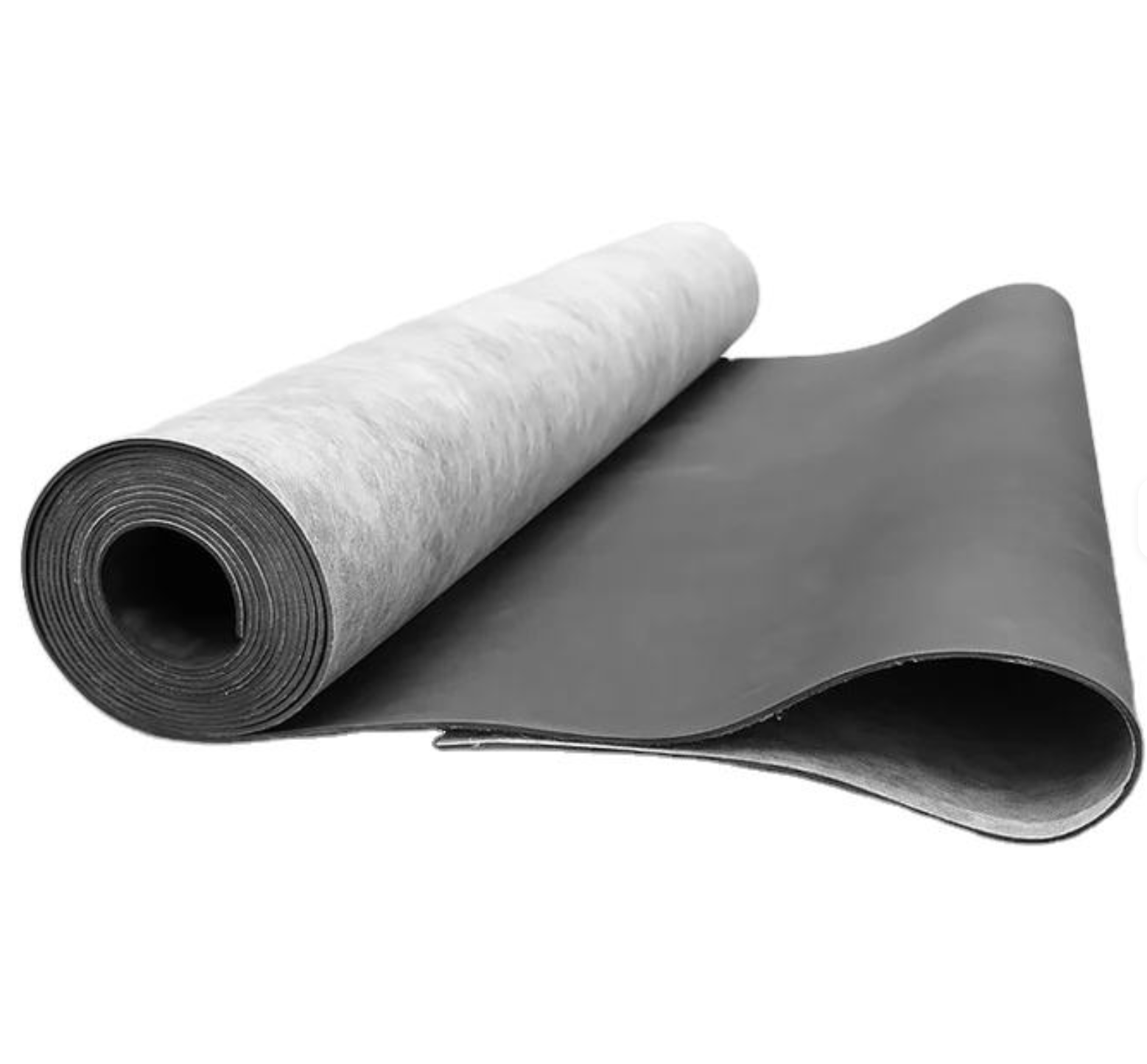
One of the most popular uses of MLV sound barrier is interior partition walls. For townhouses, apartments and duplexes, shared walls easily transfer talking, television and music noise between neighbours. MLV is installed inside drywall assemblies, usually sandwiched between plasterboard layers. It does not take up much space and adds the required mass to stop airborne sound passing through the wall. It works perfectly for bedroom dividing walls, rental unit separations and student accommodation. When paired with resilient channels and rockwool insulation, MLV can lift the STC rating of standard walls significantly.
Footstep noise, furniture dragging and dropped objects are typical impact sounds that travel through concrete or wooden floor slabs. Regular foam insulation cannot handle this vibration well. MLV sound barrier is laid under flooring materials such as laminate, hardwood, vinyl and carpet. It is also fitted above ceiling drywall for upper-floor noise control. The flexible damping layer absorbs vibration before it spreads through the building structure. This application is ideal for multi-storey apartments, offices and family homes where residents complain about noise from upstairs.
Low-frequency bass from speakers is one of the hardest noise types to isolate. MLV sound barrier is widely adopted in home theater builds and professional recording studios. Builders line walls, ceilings and even door frames with MLV to contain bass and prevent sound leakage to adjacent rooms. Unlike porous acoustic foam that only reduces echo inside the room, MLV blocks sound transmission out of the space. It helps create a clean acoustic environment for mixing audio or enjoying movies without disturbing people in other areas of the house.
Commercial entertainment spaces face strict noise control rules to avoid public complaints. Loud music, bass and crowd noise can easily travel to neighbouring shops or residential buildings. MLV sound barrier is a core material for KTV and bar soundproof packages. It is applied on wall linings, ceiling cavities and around service doors. Many contractors combine MLV with glass wool to achieve both sound insulation and fire safety requirements. This combination helps venues pass local acoustic inspection and stay compliant.
Factories, workshops and plant rooms generate constant noise from pumps, compressors and generators. Hard enclosure panels reflect noise instead of stopping it. MLV sound barrier is attached to metal enclosure panels to reduce machinery noise leakage. It is flexible enough to fit curved machine surfaces and irregular frames. It is often used alongside acoustic absorption materials to build quiet equipment cabins. This protects on-site workers from excessive noise and meets workplace safety standards.
Hotel operators and office designers need quiet spaces to improve guest experience and work efficiency. Noise from corridors, adjacent rooms and lift shafts affects comfort greatly. MLV sound barrier is integrated into hotel wall assemblies, office partition systems and meeting room ceilings. It is thin, easy to cut and install, and will not greatly reduce the usable indoor space. It supports consistent sound privacy for business meetings and overnight stays.
For van conversion lovers, road roar, engine noise and wind noise ruin travel comfort. MLV sound barrier is a top choice for camper van sound deadening. Installers stick MLV onto van floor panels, side walls and door skins. It dampens metal panel vibration and cuts down road noise. Self-adhesive MLV rolls simplify installation for DIY van builders.
MLV sound barrier is a versatile acoustic material suitable for residential, commercial and industrial noise control. It works on walls, floors, ceilings, ducts, machinery and vehicles. Remember that MLV is a sound-blocking material, not sound-absorbing foam. For the best result, it is normally combined with acoustic wool or insulation materials. If you need custom MLV sizes, technical datasheets or assembly suggestions for your acoustic project, contact our team for support.


