

close
Choose Your Site
Global
Social Media
Views: 0 Author: Site Editor Publish Time: 2026-05-28 Origin: Site


While it remains the undisputed industry standard for thermal control, choosing the right insulation requires moving beyond brand recognition. You must understand its actual performance limits. Fiberglass dominates residential and commercial building projects globally. However, assuming it fixes every thermal issue is a major mistake. Selecting the wrong material can destroy your energy efficiency. Installing it incorrectly leads to hidden moisture damage inside your walls. You might face up to 40% energy loss through unchecked air leaks. Compromised indoor air quality is another serious risk. Homeowners and builders must understand how this material functions in real-world scenarios. This guide breaks down exactly where fiberglass excels. We also highlight where it fails. We outline the critical evaluation criteria you need before greenlighting an insulation project. You will learn proper installation techniques and vital safety facts. Finally, we show how it compares to top market alternatives.
Fiberglass effectively slows heat conduction but requires secondary air sealing to stop convection.
Standard applications range from attic batts to specialized fireproof pipe insulation and HVAC duct boards.
Long-term performance relies heavily on proper installation; compressing the material or doubling vapor barriers severely degrades its R-value.
Modern fiberglass is formaldehyde-free and distinct from asbestos, though strict PPE protocols are still mandatory during handling.
Fiberglass provides versatile thermal solutions across many construction types. Builders rely on it for structural cavities and specialized mechanical systems. It adapts easily to both residential framing and heavy industrial needs.
This material dominates attic spaces. Installers use both pre-cut batts and blown-in loose-fill applications. Blown-in formats offer high-volume thermal blanketing. They easily cover irregular ceiling joists and awkward roof pitches. Batts provide a straightforward solution for accessible, standard-spaced rafters. Cathedral ceilings benefit greatly from high-density batts. These products deliver maximum thermal resistance within restricted rafter depths.
You will find fiberglass in almost every standard wood-framed wall. Manufacturers design batts to fit exact 16-inch or 24-inch stud bays. They slide into place to manage exterior heat transfer. They also provide baseline acoustic dampening for interior bedroom or bathroom walls. The material absorbs sound vibrations traversing the wall assembly. This makes it a dual-purpose solution for comfort and privacy.
Industrial and commercial environments require specialized thermal products. Standard residential batts cannot withstand extreme mechanical temperatures.
Plumbing Protection: Contractors utilize it as fireproof pipe insulation. This prevents freezing in winter climates. It also stops thermal loss in hot water plumbing lines.
Industrial Facilities: The material is manufactured globally as glass wool insulation for demanding industrial applications. It wraps boilers, large vessels, and heavy manufacturing equipment.
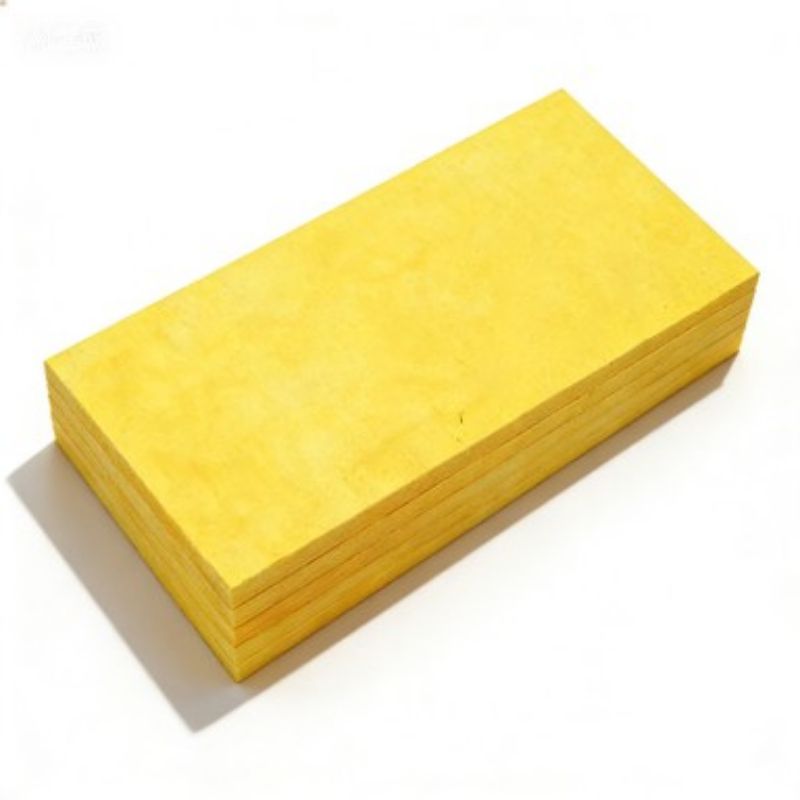
Mechanical Systems: Manufacturers compress the fibers into rigid or semi-rigid heat insulation board formats. Technicians use these for HVAC ductwork and exterior sheathing. They provide necessary structural integrity alongside thermal resistance.
Application Area | Preferred Format | Primary Benefit |
|---|---|---|
Open Attics | Blown-in (Loose-fill) | Seamless coverage over joists; high speed of installation. |
Standard Wall Cavities | Pre-cut Batts or Rolls | Fits standard 16" or 24" framing; easy DIY handling. |
HVAC Ductwork | Rigid Boards | Holds structural shape; prevents duct condensation. |
Industrial Plumbing | Cylindrical Pipe Wraps | Prevents freezing; resists high commercial temperatures. |
Many buyers misunderstand how insulation actually works. They look only at the R-value printed on the packaging. R-value measures resistance to heat flow. However, real-world conditions differ vastly from controlled laboratory tests.
Fiberglass operates through a simple but effective physical mechanism. It traps millions of tiny air pockets within a dense matrix of microscopic silica fibers. Still air is a poor conductor of heat. By suspending air in this fibrous web, the material strongly resists heat conduction. Conduction is the direct transfer of heat through solid materials. When winter cold hits your exterior siding, the trapped air slows the chill from reaching your drywall.
High laboratory R-values unfortunately do not account for air movement. Fiberglass is highly air-permeable. It acts like a wool sweater in a windstorm. It cannot stop convective heat loss. Convection occurs when moving air carries heat away from a surface. Wind washes right through the fibrous matrix. This specific limitation accounts for nearly 40% of standard home energy waste. A high R-value means nothing if drafty air bypasses the material entirely.
You must rethink your budget strategy. Buyers must factor in the expense of separate air-sealing measures. You need canned spray foam for stud gaps. You need acoustic caulk for bottom plates. Proper sealing establishes an airtight envelope. Only then can fiberglass achieve its promised R-value in real-world wind pressure environments. Without an air barrier, your investment underperforms.
Public skepticism surrounds this material due to its fibrous nature. Many older homeowners associate it with mid-century hazardous building products. Modern science and manufacturing advancements tell a very different story.
We must directly address safety skepticism. Many people confuse fiberglass with asbestos. They are fundamentally different materials. Asbestos cleaves into microscopic, DNA-damaging shards. These shards pierce cell walls and cause mesothelioma. Fiberglass does not cleave or splinter in this manner. It acts only as a physical irritant. Human lungs can naturally expel inhaled silica fibers. The body isolates what it cannot immediately expel. It does not cause the cellular mutation associated with asbestos.
The industry has cleaned up its manufacturing processes. Most top-tier manufacturers have eliminated toxic formaldehyde binders. They used to rely on these chemicals to hold the fibers together. Today, they utilize plant-based alternatives. Modern batts often contain up to 60% recycled glass content. This diverts thousands of tons of glass bottles from landfills every year. The material is now a recognized staple in green building certifications.
Despite safety upgrades, handling the material requires caution. "Fiberglass lung" refers to temporary respiratory irritation. Dermal rashes remain common risks during installation or removal. The tiny glass strands easily scratch the top layer of your skin.
Implementation requirement: You must mandate strict PPE protocols. Wear long sleeves, thick gloves, safety goggles, and N95 respirators.
Pro Tip: Always wash exposed skin with cold water post-installation. Hot water opens your pores. Open pores allow microscopic fibers to embed deeper into your skin. Cold water keeps pores closed so fibers wash away easily.
Initial installation costs are highly attractive. However, owners must plan for long-term physical changes in the material. Environmental factors inside your walls dictate how long the insulation remains effective.
Blown-in fiberglass settles over time. Gravity slowly compresses the loose fibers in your attic. As the material compresses, it loses the trapped air pockets necessary for thermal resistance. This process is called thermal drift. Buyers should anticipate needing a "topping off" service every 15 to 20 years. Adding a fresh layer restores the lost R-value. Pre-cut batts inside walls resist settling much better than loose-fill products.
The glass fibers themselves are entirely inorganic. They do not absorb water. They provide no food source for organic growth. However, the trapped air pockets capture and hold humidity. This creates a dangerous micro-environment inside wall cavities. If roof leaks occur, the material acts like a wet sponge holding water against wood framing. Vapor diffusion from indoor humidity can also condense inside the batt. This trapped moisture provides the perfect breeding ground for mold growth on nearby paper facings or wood studs.
Even premium materials fail if installed incorrectly. Contractors and DIY enthusiasts often make critical errors. These mistakes void the performance of the entire thermal envelope. Avoid these three common failures.
The Compression Trap: Many installers try to cram too much insulation into a small space. Forcing a thick R-19 batt into a narrow 2x4 stud bay is a massive error. R-19 batts are designed for deeper 2x6 walls. Squeezing the batt crushes the trapped air out of the matrix. This actually reduces its effective R-value below that of a standard R-15 batt. You pay for R-19 but receive R-13 performance.
Vapor Retarder Orientation: Kraft paper or foil facings control moisture vapor. They must always face the "winter warm" side of the structure. In a cold climate, the facing points inside toward the heated living space. In an attic, the paper faces down toward the ceiling drywall. Reversing this orientation traps warm indoor moisture against the freezing exterior roof deck. This guarantees wintertime condensation and eventual wood rot.
The Double Vapor Barrier Mistake: Homeowners often add new insulation over existing attic layers. They want to increase their total R-value. When doing this, the new top layer must be unfaced. Adding a second faced layer over an existing faced layer creates a sandwich effect. It traps rising condensation between the two vapor barriers. This trapped water destroys the insulation and accelerates ceiling rot.
Choosing the right material requires evaluating your specific building conditions. You must weigh budget constraints against performance goals. Fiberglass is excellent, but it is not the only option available.
Select this material for budget-restricted projects. It remains the most economical choice for standard wood-framed construction. It is highly appropriate for accessible attics where future top-offs are easy. If you have an open stud wall and a tight budget, nothing beats standard batts. It offers reliable, proven performance for conventional residential homes.
Consider mineral wool when your budget permits a premium upgrade. Rockwool provides superior fire resistance. It does not melt until temperatures exceed 2,000 degrees Fahrenheit. It offers massive acoustic soundproofing benefits due to its heavy density. It also repels water naturally. If moisture resilience or sound deadening are non-negotiable requirements, upgrade to mineral wool.
Upgrade to spray polyurethane foam when airtightness is your primary goal. Spray foam expands to fill every crack and gap. It establishes a true vapor and air barrier simultaneously. It is ideal for complex, hard-to-reach cavities where traditional batts leave gaps. Use it in unvented attics or crawlspaces where complete climate isolation is mandatory.
Material Type | Air Sealing Built-In? | Moisture Resistance | Best Use Case |
|---|---|---|---|
Fiberglass Batts | No | Low (traps humidity) | Standard budget walls & accessible attics. |
Mineral Wool | No | High (repels water) | Soundproofing & fire-rated assemblies. |
Closed-Cell Spray Foam | Yes | Extreme (water barrier) | Maximum airtightness & unvented spaces. |
Do not guess your thermal needs. Conduct a blower door test before tearing open walls. This diagnostic test assesses your current air leakage rates. It tells you exactly where drafts originate. Next, calculate your target R-values based on your local Department of Energy climate zone. Finally, source quotes from certified installers who understand proper air sealing techniques.
Fiberglass insulation remains a highly capable thermal solution. It provides cost-efficient temperature control for both residential framing and commercial systems. Its versatility makes it a staple in modern construction projects. However, you must respect its physical limitations. Its true value is only unlocked when paired with proper structural air sealing. You must maintain correct moisture-barrier orientation during installation. Avoid compressing the fibers. Set realistic expectations regarding its lifespan and the need for future top-offs. By combining quality materials with strict installation standards, you secure a comfortable and highly efficient building envelope.
A: Yes, you can stack new insulation over existing layers to increase your overall R-value. However, the new top layer must be unfaced (meaning no Kraft paper or foil backing). Using a faced batt on top will trap rising moisture between the two layers, leading to severe condensation and mold issues.
A: The inorganic glass fibers themselves can last for decades without breaking down. However, in blown-in attic applications, the material is prone to settling over time. Gravity compresses the loose fibers, which reduces the effective R-value. You generally need a top-off service after 15 to 20 years.
A: No, it is absolutely not pest-proof. While mice do not eat the glass fibers, they frequently burrow through them. The fluffy material provides an ideal, warm environment for nesting. You must manage pest control and block entry points independently of your thermal strategy.


